


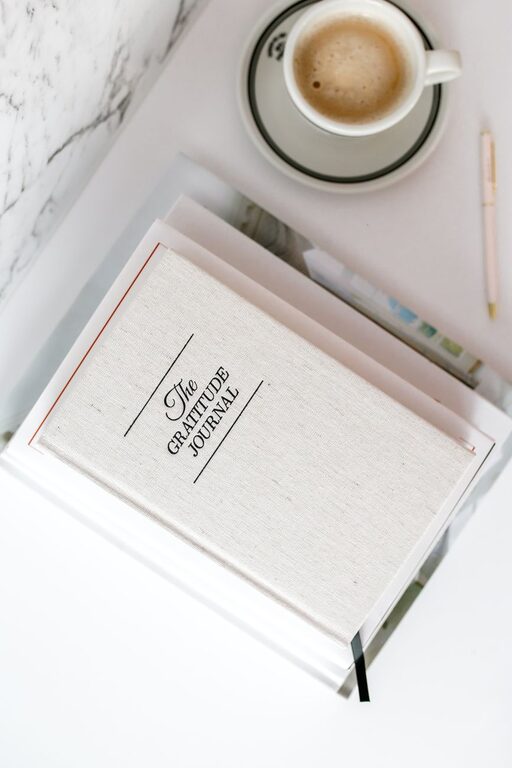
A gratitude journal is a simple place to record the people, experiences, and everyday details you appreciate. You do not need special writing skills, a perfect routine, or a long list of positive thoughts to get started. A few honest sentences can be enough.
The goal is not to ignore difficult moments or pretend that every day is easy. Instead, gratitude journaling offers a regular opportunity to notice what is going well, what supports you, and what brings meaning to your life. With a little consistency, it can become a calming and useful part of your daily routine.
What Is a Gratitude Journal?
A gratitude journal is a notebook, app, document, or other space where you write down things you appreciate. These entries may focus on big events, such as reaching an important goal, or small details, such as a good cup of coffee or a quiet morning.
Your journal can include:
– People who helped, encouraged, or inspired you
– Experiences that made you feel happy or at ease
– Personal strengths and skills
– Comfortable or beautiful surroundings
– Lessons learned from ordinary activities
– Small moments that made the day better
There is no single correct format. Some people write one sentence each day, while others prefer longer reflections several times a week. The best approach is one you can maintain without feeling pressured.
Choose a Format That Works for You
Before writing your first entry, decide where you want to keep your journal. Choosing a convenient format makes it easier to return to the practice.
Paper notebook
A notebook offers a screen-free experience and gives you room to write, draw, or add personal notes. Choose one that feels comfortable rather than one that looks perfect. A small notebook can be useful for travel, while a larger one provides more space for detailed entries.
Digital journal
A notes app, word-processing document, or journaling app can be convenient if you already use your phone or computer often. Digital entries are easy to search, update, and organize. You can also add photos, voice notes, or reminders if those features help you stay consistent.
Calendar or planner
If you already use a planner, add a gratitude entry to each day. This keeps the practice connected to a routine you have already established. You might write one short phrase in the margin or reserve a section for weekly reflections.
Start With a Simple Routine
A gratitude journal is more likely to become a habit when it fits naturally into your day. You do not need to spend 20 minutes writing. Start with two to five minutes.
Choose a regular time, such as:
– After waking up
– During a lunch break
– After finishing work or school
– Before going to bed
– While having your morning coffee or tea
Linking journaling to an existing activity can make it easier to remember. For example, you might write after brushing your teeth or before turning off the light at night.
Begin with a small commitment, such as writing three times a week. Once the routine feels comfortable, you can decide whether to write more often. A sustainable habit is more valuable than an ambitious plan that quickly becomes difficult to follow.
Use Helpful Writing Prompts
Some days, ideas will come easily. On other days, a prompt can help you get started. Prompts give your attention a clear direction without limiting your response.
Try questions such as:
– What made me smile today?
– Who made my day easier or more enjoyable?
– What is one ordinary thing I often overlook?
– What part of my surroundings do I appreciate?
– What personal quality helped me today?
– What recent experience taught me something useful?
– What is something I am looking forward to?
– What challenge helped me notice a strength or resource?
– What memory am I glad to have?
– What is one small comfort I enjoyed today?
You can also focus on a specific theme each day. For example, Monday might be about people, Tuesday about places, and Wednesday about small comforts. A rotating theme can add variety when your entries begin to feel repetitive.
Make Your Entries Specific
Specific details can make gratitude journaling more meaningful. Instead of writing, “I am grateful for my family,” describe the moment that stood out.
For example:
> I am grateful that my sister called during a busy afternoon. Her quick joke helped me take a break and return to my work with a clearer mind.
A specific entry captures what happened, why it mattered, and how it made you feel. You do not need to write a long paragraph. Even a sentence such as “I appreciated the cool air during my walk because it helped me slow down” is clear and personal.
Try to notice details involving your senses, such as a favorite sound, smell, taste, view, or physical comfort. These details can make ordinary moments easier to remember.
Be Honest and Flexible
Gratitude journaling should not feel like a test. Some days may be busy, frustrating, or disappointing. On those days, you can write about something small, such as having a comfortable place to rest, finishing a task, or receiving useful information.
It is also fine to skip a day. Missing one entry does not mean you have failed or need to start over. Simply return when you are ready. Avoid turning the journal into another obligation that creates stress.
You can acknowledge a difficult day and still identify one positive detail. For example:
> Today was tiring, but I am grateful for the quiet walk home and the chance to reset.
This approach leaves room for a realistic view of the day while recognizing something supportive or meaningful.
Keep the Practice Fresh
A routine can become dull if every entry follows the same pattern. Refresh your journal by changing the way you write.
You might:
– Write a short letter of appreciation to someone
– Describe a favorite memory
– Add a photo or simple sketch
– Make a list of five small comforts
– Record a moment when you felt proud
– Write about a place you hope to visit
– Reflect on a recent act of kindness
– Review older entries and note recurring themes
You can also use weekly or monthly reviews. At the end of the week, look back at your entries and ask which moments stood out. You may notice that certain people, activities, or places appear often. These patterns can help you understand what adds value to your everyday life.
Common Mistakes to Avoid
A few habits can make gratitude journaling feel less useful than it could be.
First, avoid comparing your entries with anyone else’s. Your journal is personal, and your writing does not need to sound polished.
Second, do not force yourself to list the same things every day if that makes the practice feel automatic. Look for a new detail, describe a familiar source of gratitude differently, or use a prompt.
Third, resist the urge to fill every page. More writing is not always better. A thoughtful sentence can be enough.
Finally, remember that gratitude is not a requirement to accept every situation. You can appreciate something in your life while still wanting to improve another part of it.
A Simple Seven-Day Starting Plan
If you want a clear way to begin, try this one-week plan:
- **Day one:** Write three things you appreciate today.
- **Day two:** Describe one person who has made a positive difference.
- **Day three:** Notice and record a small comfort.
- **Day four:** Write about a personal strength you used recently.
- **Day five:** Describe a place or activity that helps you feel refreshed.
- **Day six:** Recall a recent moment that made you smile.
- **Day seven:** Review the week and identify one theme you noticed.
After the first week, choose a schedule that feels natural. You might continue daily, write every Sunday, or use your journal whenever you need a few quiet minutes.
Start Small and Stay Consistent
The most important step is simply to begin. Choose a format, set aside a few minutes, and write about one thing you appreciate. Your first entry does not need to be profound or perfectly written.
Over time, a gratitude journal can become a record of meaningful moments, helpful people, and everyday details that might otherwise go unnoticed. Keep the practice simple, honest, and flexible. The right journal is not the one with the most pages filled; it is the one that helps you pause and pay attention to what matters to you.


More Stories