


A noisy home can make it harder to relax, focus, sleep, or enjoy time with family. While some sounds are unavoidable, simple changes can help create a quieter and more comfortable space. You do not always need expensive renovations or specialized equipment. Small adjustments to floors, windows, doors, furniture, and daily routines can make a noticeable difference.
Find the Main Sources of Noise
Before making changes, spend a few minutes listening to your home at different times of day. Notice where the sound comes from and how it travels.
Common sources include:
– Traffic, construction, or neighbors outside
– Gaps around doors and windows
– Hard floors that reflect footsteps and voices
– Loud appliances and plumbing
– Echoes in rooms with few soft surfaces
– TVs, speakers, and conversations
– Footsteps and movement between floors
Identifying the main problem helps you choose the right solution. For example, curtains may help with outside noise, while a rug may be more useful for reducing footsteps and echoes.
Add Rugs and Soft Floor Coverings
Hard surfaces such as wood, tile, and laminate can make sound bounce around a room. Rugs absorb some of that sound and reduce echoes. They can also soften footsteps and help prevent furniture from scraping across the floor.
Place rugs in areas where people walk or gather most often, such as:
– Living rooms
– Hallways
– Bedrooms
– Home offices
– Play areas
A rug pad can improve the result by adding another soft layer. It also helps keep the rug in place and may provide extra protection for the floor. If you have a large room, consider using more than one rug to cover the main walking and seating areas.
Use Curtains to Block and Absorb Sound
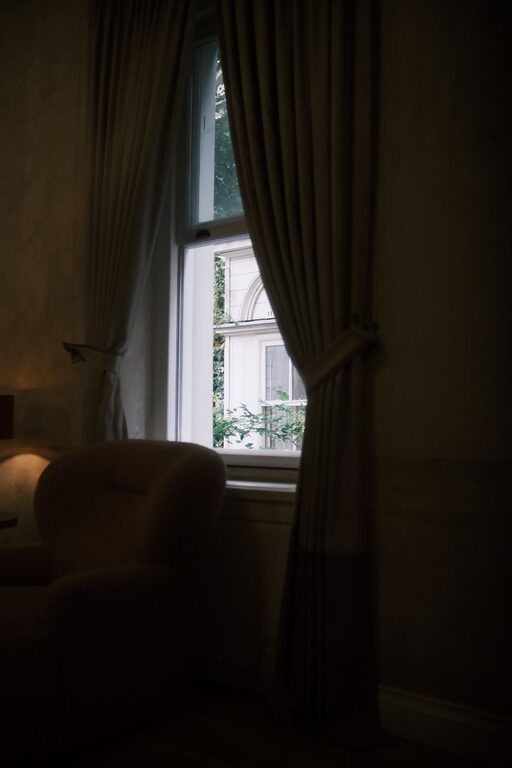
Bare windows allow outside noise to enter easily, especially when the glass is thin. Heavy curtains can help absorb sound and reduce the amount that passes through the window.
For the best results:
– Choose thick, tightly woven curtains
– Hang them from a rod that extends beyond both sides of the window
– Let the fabric reach the floor when possible
– Use a wide curtain that creates plenty of folds
– Close the curtains during the noisiest parts of the day
Layered window treatments can be even more useful. For example, combine blinds with fabric curtains. These treatments may also improve privacy and help control light.
Seal Gaps Around Doors and Windows
Small gaps can let in a surprising amount of sound. Check around exterior doors, windows, and other openings for visible spaces or drafts.
Simple options include:
– Adding weatherstripping around doors and windows
– Installing a door sweep along the bottom of a door
– Applying removable caulk around window frames
– Using draft stoppers inside rooms
– Checking gaps around vents and utility openings
Make sure not to block areas that need to remain open for ventilation or safety. If you are unsure about a gap, identify its purpose before sealing it.
Rearrange Furniture
Furniture can help interrupt the path of sound. Large, solid pieces may absorb or scatter noise, particularly when placed near walls shared with another room or a neighboring home.
Try these ideas:
– Place a full bookcase against a shared wall
– Position a sofa or cabinet near a noisy wall
– Keep beds and desks away from thin walls when possible
– Avoid placing speakers directly against walls
– Use furniture to divide large, open rooms
A bookcase filled with books can provide more sound absorption than an empty shelf. Different shapes and materials also help prevent sound from bouncing in a predictable pattern.
Add Soft Materials to Echoing Rooms
Rooms with bare walls, hard floors, and minimal furniture often feel louder because sound reflects off many surfaces. Adding soft materials can make the room sound calmer.
Useful choices include:
– Fabric wall hangings
– Upholstered furniture
– Cushions and blankets
– Area rugs
– Bedding
– Decorative baskets
– Thick table runners
You do not need to cover every surface. Start with the room’s largest hard areas and add materials gradually. A few well-placed items can reduce echoes without changing the room’s overall style.
Reduce Noise From Appliances
Household appliances can create constant background noise. Refrigerators, washing machines, dryers, dishwashers, and fans may vibrate against nearby surfaces.
To reduce appliance noise:
– Make sure the appliance is level
– Leave the recommended space around it
– Check that it is not touching a wall or cabinet
– Use vibration-absorbing pads under suitable appliances
– Clean filters and vents according to the manufacturer’s instructions
– Avoid overloading machines
For washing machines and dryers, balance the load and check whether the unit moves during operation. If an appliance suddenly becomes much louder, inspect it for loose parts or other problems.
Keep Doors and Cabinets From Slamming
Sharp, sudden sounds can be more disruptive than steady background noise. Door and cabinet slams are easy to reduce with small additions.
Consider using:
– Felt pads on cabinet doors
– Soft-close hinges
– Door bumpers
– Handles that are easy to grip
– A door closer adjusted to shut gently
Remind household members to close doors and cabinets quietly, especially near bedrooms and work areas. These small habits can make a significant difference over time.
Control Sound From Electronics
Televisions, speakers, and other devices can spread sound throughout the home. Use lower volume levels when possible, and place speakers away from shared walls and corners.
Other helpful steps include:
– Use headphones for late-night viewing
– Turn off devices when no one is using them
– Place speakers on stable surfaces
– Use a soundbar or speaker settings designed for clear dialogue
– Keep notification sounds low on phones and computers
If you work or study at home, set devices to silent or vibration mode during focused periods. Reducing unnecessary alerts can make the entire space feel calmer.
Create a Quieter Room
If your home is busy, choose one room or corner as a quiet area. It does not need to be large. A comfortable chair, soft rug, curtains, and a small table may be enough.
Keep this area free from loud devices and high-traffic activity. Use it for reading, relaxing, or quiet work. Clearly defining a peaceful space can make it easier to take breaks from everyday noise.
Build Quieter Daily Habits
Noise reduction is not only about furniture and materials. Everyday habits also matter.
Try to:
– Close doors gently
– Avoid running several loud appliances at once
– Place shoes near the entrance
– Use felt pads under frequently moved chairs
– Keep toys and objects from being dropped on hard floors
– Schedule noisy chores during reasonable daytime hours
– Let household members know when quiet time is needed
These habits are simple, but they work best when everyone in the home follows them consistently.
Know When to Consider Larger Changes
If noise remains a serious problem after trying basic solutions, you may need to look at larger improvements. These could include upgrading windows, adding insulation during a renovation, or installing a solid interior door.
Before making a major change, identify the type of noise involved and where it enters. A building professional can help explain which improvements are suitable for your home.
In many cases, the best results come from combining several small solutions. Rugs, curtains, sealed gaps, furniture, and quieter routines can work together to make your home feel more peaceful without requiring a complete remodel.


More Stories
Tips for Choosing Comfortable Home Lighting
How to Set Up a Guest-Ready Space Quickly